They are not interchangeable. Here's how interior and exterior coatings differ, and why using the wrong one shortens the life of your finish.
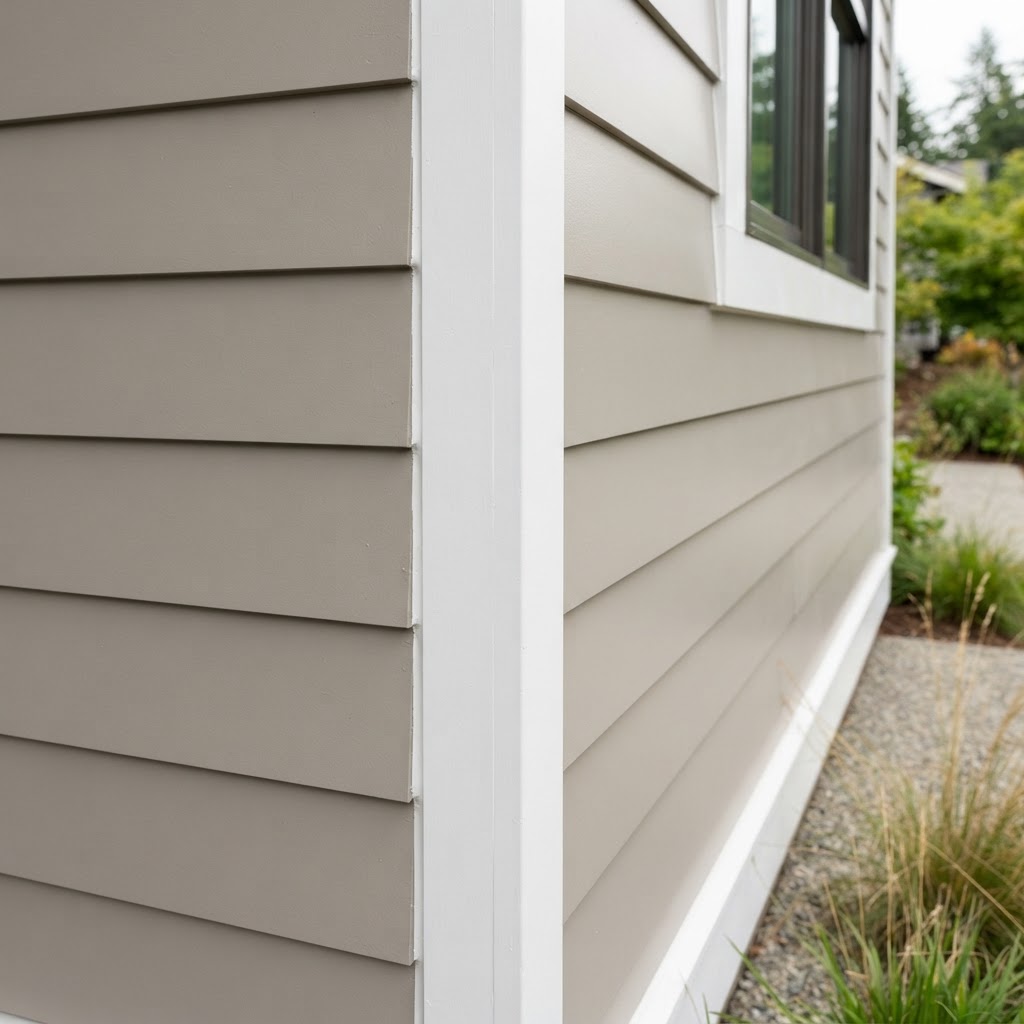
Exterior coatings are engineered for UV exposure, rain, and freeze-thaw cycles. Interior coatings are engineered for scrubbing, low odour, and a smooth, uniform appearance. Swapping them creates problems in both directions.
Exterior coatings
- Added mildewcides and UV-stable pigments
- Flexible films that move with the substrate
- Breathable to let moisture escape
- Formulated for temperature and humidity swings
Interior coatings
- Low or zero VOC options for occupied homes
- Better flow and levelling for a smooth finish
- Scrub- and stain-resistant formulas for kitchens and hallways
- Designed to dry quickly in still air
Finish matters as much as type
In interiors, flat and matte finishes hide imperfections but clean poorly; eggshell and satin clean well but highlight surface flaws. Ceilings almost always get flat; bathrooms and kitchens get something more washable.
We match the product and finish to each surface rather than defaulting to one can for the whole project.

